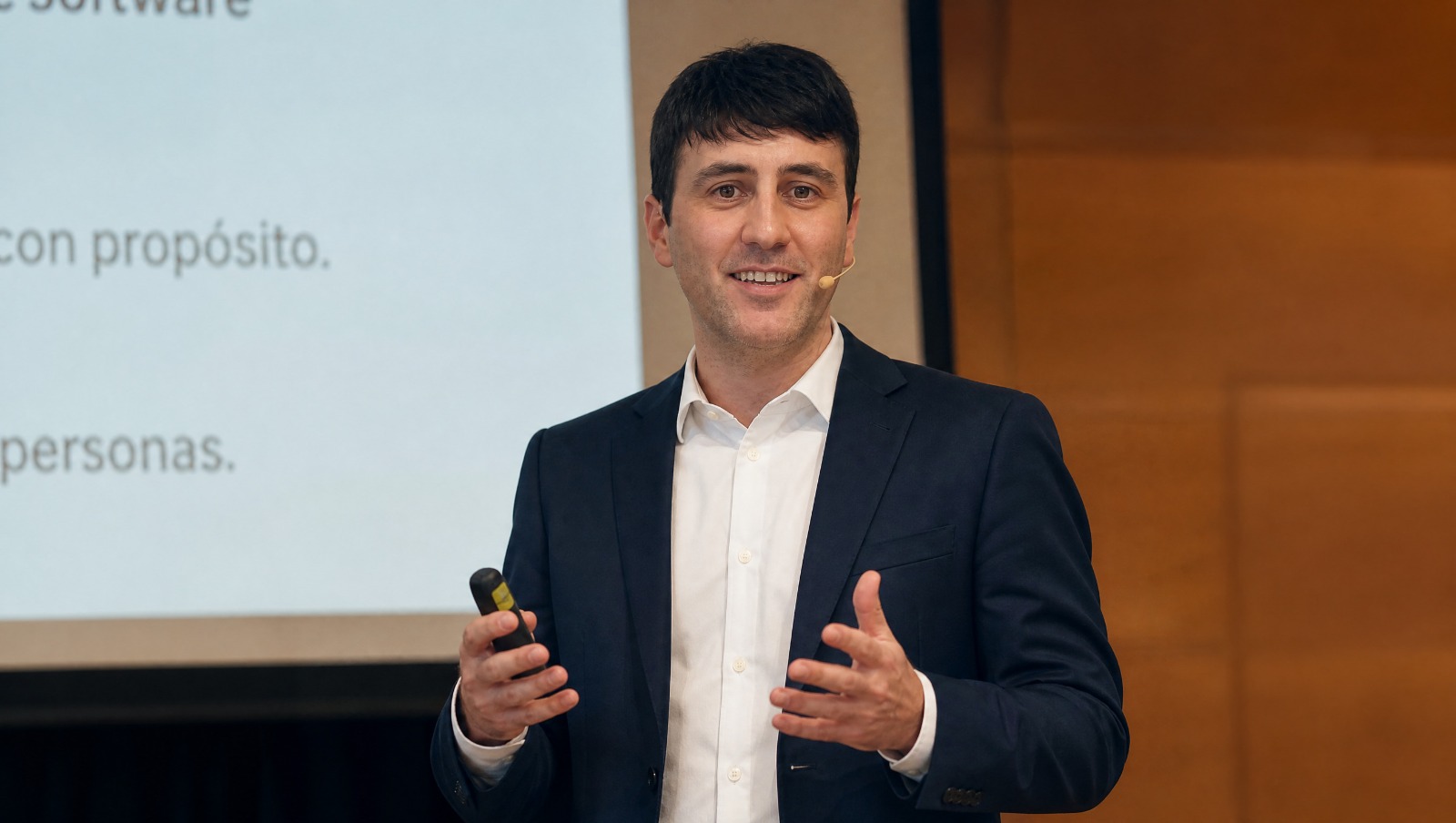
David Zorrilla (TPE): sport is the easy part, the management is what's hard
Behind every training session there's a lot of management nobody sees. I asked the CEO of TPE how he lives it.
Leer más →Gerard designs for music and vinyl. This year we started Backline together. I asked him what changes when the designer stops being "the supplier".
Gerard is a graphic designer. Communication, illustration, screen printing, and a lot of work around music and vinyl.
We've worked on projects together for a while. This year we went a step further and started Backline, a tool for managing the production of events, festivals and concerts.
I wanted to ask him what changes when the designer stops being "the supplier".
Drawing, long before I knew it could be a job. Then I discovered that a drawing could also communicate something to someone who didn't know me. That's when it stopped being a hobby.
Music has a physical side people still care about. A cover isn't decoration. It's the first thing someone holds before they hear a single note. And in that world you can take risks a corporate brand would never accept.
You can, but not just by designing. I had to learn to quote, to say no, to chase invoices and to explain why something costs what it costs.
Design is the part I'd do for free. The rest is what pays the rent.
A tool to manage the production of events, festivals and concerts: suppliers, artists, technicians, the whole team. I know that world from the music side. You know how to build software. Separately, each of us had half the idea.
As a supplier you deliver what you're asked for. As a partner you question what you're asked for.
The arguments arrive earlier, when they're cheap, instead of at the end, when they're expensive.
The ones where the client says "whatever you think" teach you the most. That's when you find out what you actually think.
Badly, some weeks. What helps is putting deadlines and prices in writing from the start, so the creative part doesn't get contaminated by awkward conversations later.
Find a niche you love so much you'd follow it anyway. And find people who do what you can't. Alone you're a freelancer. With the right partner you can build something.
Backline is just getting started.
Ask us again in a year.